KHALEEJ ADVISOR
Your next discovery starts here
Browse our Gulf guides or get in touch with the team.
KHALEEJ ADVISOR
Browse our Gulf guides or get in touch with the team.
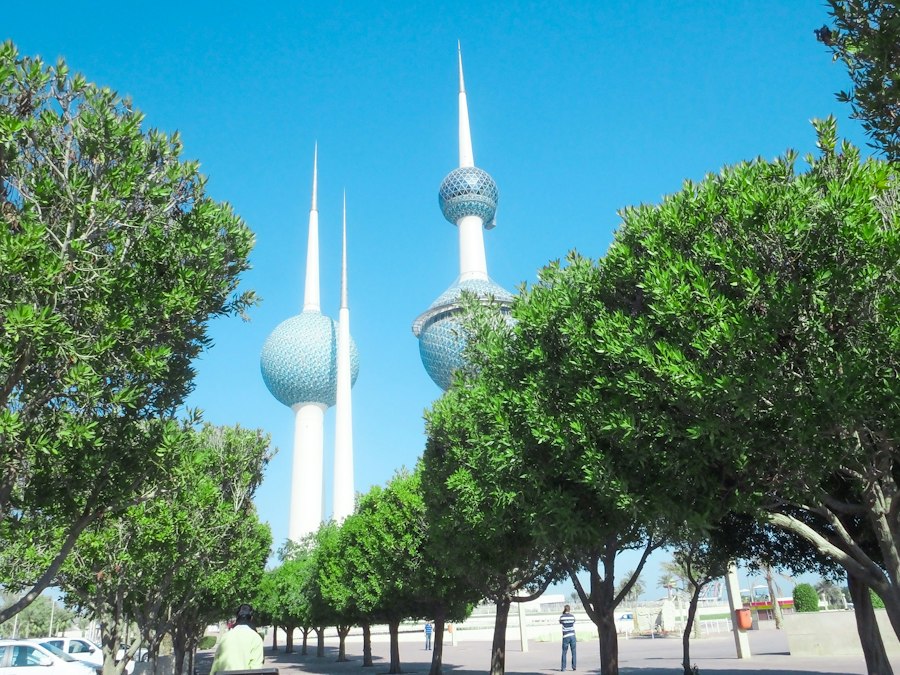

Planning a trip to Kuwait? Get ready to dive into a world where tradition meets modern flair, and every street, market, and beach has its own story to tell!
Understanding the Kuwait dress code for foreigners isn’t just about clothes; it’s your ticket to exploring confidently, blending in smoothly, and embracing the culture like a local.
From sun-soaked streets to chic malls and serene resorts, this guide will fuel your wardrobe with smart, stylish, and culturally savvy choices. Pack your curiosity, your confidence, and your sense of adventure. Kuwait is waiting, and it’s going to be unforgettable!
Editorial review: 22 October 2026. These are practical clothing suggestions, not a comprehensive statement of Kuwaiti law. Expectations differ between public places, religious sites, workplaces, beaches and private resorts. Check the rules of the venue you plan to visit; individual employers and institutions may set their own requirements.
| Setting | What to consider |
|---|---|
| Shopping centres and public areas | Comfortable, relatively modest clothing suited to the local setting is a sensible default. Pay attention to posted venue rules. |
| Places of worship | Follow the site’s specific dress and visitor rules; coverage requirements may be stricter than in everyday public areas. |
| Private pools and resort beaches | Swimwear rules vary by venue and are not necessarily the same as public-street expectations. |
| Offices and official appointments | Check dress guidance from the employer or institution in advance. |
| Sun and heat | Breathable fabrics, sun protection and water matter in hot weather; carry a light additional layer for strong indoor air-conditioning. |
Important distinction: common etiquette, a private venue’s dress rule and a legal requirement are not the same thing. Do not treat broad online claims about what is illegal as reliable without checking current official guidance.

Kuwait, a conservative Islamic country, has clear clothing expectations for tourists and expatriates, though not following them isn’t illegal. There is no single dress standard that accurately describes every public, religious, private or professional setting in Kuwait. Local etiquette and venue-specific requirements differ, and legal questions should be verified against current official guidance.
Private resorts and hotel pools are more relaxed, while public spaces like malls, parks, and beaches require modest clothing in Kuwait.
Visitors familiar with Dubai or Abu Dhabi will notice stricter standards here, so dressing respectfully is important (Kuwait has a more conservative dress code than Dubai but is slightly more relaxed than Saudi Arabia).
Travellers should consider traditional attire, casual tops and bottoms, headwear, footwear, and swimwear, with attention to humility, comfort, and practicality.
When packing, it’s important to follow the Kuwait dress code for foreigners, which requires conservative clothing in public but allows more flexibility at beachfront hotels in Kuwait City and Luxury hotels in Kuwait, and the weather, with hot summers from May to October and mild winters from November to April, making lightweight, breathable fabrics like cotton and linen ideal, along with a pashmina or light layer for air-conditioned indoor spaces.
Read more: To a comfortable and carefree experience in Kuwait City, all-inclusive hotels are the best option. Everything from breakfast to entertainment and amenities are at your disposal so you can enjoy your trip in complete peace and forget about all the details.
But if you do not like be in the hotels and prefer a suitable long-term option in Kuwait, the best serviced apartments in Kuwait City can be a great choice.

If you’re planning a trip to Kuwait, understanding the Kuwait dress code for foreigners is key to enjoying your visit comfortably and respectfully.
Travelling to Kuwait as a female visitor requires understanding local customs, dress codes, and practical tips to ensure a comfortable, respectful, and safe experience. While non-Muslim women are not legally required to wear a headscarf, respectable dressing is strongly recommended throughout the country.
Consider that when it comes to adhering to the dress code in Kuwait, having freedom of movement and easy access to places is important. Using a self drive car rental in Kuwait City
allows you to explore the city comfortably, while maintaining appropriate attire in public and private places, without having to worry about public transportation. From visiting shopping malls and parks to traveling to nearby beaches and tourist attractions, you will have a safe, comfortable and flexible experience.
This table provides a concise overview of what women can wear in Kuwait for travel. For full details, including seasonal tips, swimwear guidelines, and practical travel advice, see the complete details below.
| Category | Allowed | Not Allowed | Coverage | Fabrics | Accessories / Notes |
| Tops | Loose shirts, blouses | Crop tops, strapless, low cut | Shoulders | Cotton, linen | Scarf for mosques |
| Bottoms | Maxi skirts, wide pants | Short skirts, short shorts | Knees | Lightweight | Leggings under a tunic |
| Layers | Cardigans, kimonos | Tight jackets | Full torso | Light knit, breathable | Layer for air conditioning |
| Swimwear | Bikini, one-piece (private) | Revealing swimwear (public) | Modest public | Lycra blends | Cover-up or burkini for public beaches |
| Footwear | Sandals, sneakers | Flip-flops on long walks | Feet | Comfortable | Suitable for city walking |
| Accessories | Scarf, pashmina, hat | None | Head, shoulders | Breathable | Sunglasses, SPF |
| Seasons | Jeans, jumper (winter) | Heavy fabrics in summer | Full legs/torso | Seasonal mix | Layer smart for day/night |
Kuwaitis often wear traditional attire. Although their clothing may appear simple at first glance, locals are known for their style and take pride in a neat, polished appearance.
For Local women, traditional dress is a full-length and full-sleeved abaya, a black robe that completely covers their clothing underneath. Most women cover their hair with a headscarf called a hijab or shayla, while some may also wear a niqab that covers the face, although this is less common among local women and more often seen with visitors from other Gulf countries, including Saudi Arabia.
For festive or special occasions, Kuwaiti women may choose to wear colorful jalabiyas, which are traditional long dresses, instead of the standard black abaya. Overall, the attire emphasizes prudence while allowing for occasional expression through vibrant clothing during celebrations.
 The Kuwait dress code for foreigners encourages visitors to observe these customs in style-conscious ways:

When planning your wardrobe for Kuwait, women should ensure that their shoulders and knees are covered, avoid visible cleavage, and wear clothes that are not tight or overly revealing. Most travellers don’t need a completely new wardrobe; pairing flowy tops with leggings or slim pants is sufficient to meet local standards.
A scarf is essential to cover your head when visiting mosques or to drape over your shoulders as needed, though a headscarf or abaya is not required just to walk around the city (Tourists are not required to wear a hijab or traditional Kuwaiti dress in public, but head covering is mandatory when entering mosques; a scarf or pashmina is sufficient).
Following these guidelines ensures you can enjoy your trip without drawing unwanted attention or feeling out of place. To follow the Kuwait dress code for foreigners, female visitors should focus on comfort, coverage, and cultural respect:
The good news is for the sport lovers that you can explore the top Golf courses in Kuwait while dressing appropriately for local customs
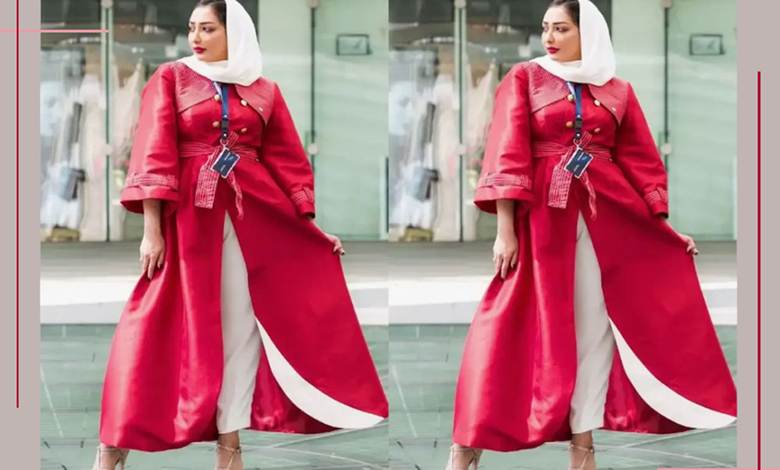
When preparing your wardrobe, focus on lightweight, breathable fabrics and covered clothing.
Packing smartly ensures you follow the Kuwait dress code for foreigners while staying comfortable. Recommended items include:
Other Essentials are comfortable underwear, lightweight pyjamas, and breathable fabrics.

Visiting Kuwait as a male traveller requires awareness of local cultural expectations. While tourists are not legally bound to follow a strict dress code, understanding the Kuwait dress code for foreigners helps avoid unwanted attention and demonstrates respect for local customs. Clean, well-fitted clothing is considered a sign of courtesy and cultural sensitivity, particularly in public spaces.
This table provides a brief overview of appropriate men’s clothing and accessories for travelling in Kuwait. It is designed as a quick reference; full details and context follow below.
| Category | Recommended | Not Allowed | Coverage | Fabric/Style | Notes/Accessories |
| Traditional | Dishdasha, Ghutra, Agal | None | Full body | Light, breathable | Sandals, leather shoes |
| Tops | T-shirt, Polo, Shirt | Sleeveless, tight | Shoulders | Cotton, linen | Light layers indoors |
| Bottoms | Long trousers, chinos | Shorts above the knee | Knees | Loose, breathable | Jeans are okay if not tight |
| Shorts | Knee-length only | Above knee | Knees | Light fabrics | Private/resort only |
| Swimwear in Kuwait | Swim trunks (private) | Revealing swimwear | Private only | Quick-dry | Flip-flops are okay at pools |
| Footwear | Sandals, sneakers, closed-toe | Slippers in the city | Feet | Comfortable | Hot weather |
| Accessories | Hat, sunglasses, cardigan | None | Head, eyes | Breathable | Sun + AC protection |
| Seasonal Tips | Summer: light, loose | Heavy dark layers | Full body | Cotton, linen | Winter: sweater/jacket |
| Public/Private | Long trousers, covered tops | Shorts, tank tops | Modest in public | Casual/relaxed | Private resorts are more flexible |
Kuwaiti men typically wear traditional attire daily, which consists of a long, ankle-length robe called a dishdasha or thobe. This garment is usually white but may also be worn in light colours such as beige, grey, or pale blue during winter, and features a centre opening for comfort in Kuwait’s hot climate.
Along with the dishdasha, men wear a head covering known as a ghutra, which is a rectangular cloth that can be plain white or red-and-white checked.
The ghutra is secured in place with a black cord called an agal. Some men may also wear a skullcap underneath. For footwear, men traditionally wear sandals or leather shoes.
This attire is designed to be practical in desert heat while maintaining demureness and cultural respect. Knowing these garments helps foreign travellers follow the Kuwait dress code for foreigners appropriately:

Men should ensure that their shoulders and knees are covered in public at all times. Long trousers are always preferred, even during summer. Shorts are generally allowed only in private settings or resorts; if worn publicly, they must reach the knees.
For tops, lightweight T-shirts or shirts are suitable, but they should not be sleeveless, tight, or reveal the chest. Following the Kuwait dress code for foreigners ensures men can explore the country comfortably and respectfully.
Expatriates and tourists generally wear Western-style clothing in Kuwait, but following the dress code means dressing with moderation and cultural awareness. Short- or long-sleeved shirts, including polo shirts and T-shirts, are acceptable if they are not see-through.
Long trousers are expected in public, with options such as light chinos, linen pants, dress trousers, or jeans (indoors or during cooler months). Jeans should not be overly tight. Knee-length shorts may be worn in casual public spaces; cargo shorts are common, but anything above the knee or very tight athletic shorts should be avoided.
In line with the Kuwait dress code for foreigners, lightweight leather sandals or sporty shoes are practical for the country’s hot climate. In other words, sandals, particularly lightweight leather or sport types, are practical for hot weather.
Sneakers are recommended for walking, outdoor activities, or desert excursions, with brands like Hoka, Skechers Go Walk, or Allbirds providing comfort. Flip-flops are suitable for private resorts, beaches, or hotel pools, but are not recommended for city streets. Closed-toe shoes are advised for outdoor or desert activities.
To comply with the locals, dressing according to the season is important. During summer (May–October), lightweight and breathable fabrics such as cotton or linen are ideal, and loose-fitting shirts with long trousers help protect from sun exposure while staying comfortable.
In winter (November–April), temperatures can drop to around 19°C (66°F) during the day and 8°C (46°F) at night, so long-sleeved shirts, light sweaters or jackets, and heavier or darker dishdashas are appropriate.
In public areas such as malls, streets, and parks, adherence to the Kuwait dress code for foreigners means wearing long trousers and covering shoulders, while avoiding overly tight clothing or shorts above the knee, so conservative clothing is expected.
Men should wear long trousers and cover their shoulders, avoiding overly tight clothing or shorts above the knee. In private resorts or hotel pools, dress codes are more relaxed; shorts, T-shirts, and swimwear are acceptable, though reserve is still appreciated when moving around the grounds.
Hats or caps are useful for sun protection, and sunglasses are recommended year-round due to the strong desert sun. What to wear in Kuwait requires light layers or cardigans to help when indoors, as air-conditioning can be very strong even during the summer months.

When travelling to Kuwait with children, it’s important to plan clothing that balances comfort, practicality, and cultural appropriateness. While rules for young children are generally more relaxed than for adults, considering the Kuwait dress code for foreigners, the weather, activities, and special occasions will help ensure they are appropriately dressed and comfortable throughout the trip.
This table provides a quick reference for dressing children in Kuwait. It covers practical, comfortable, and culturally appropriate clothing for everyday wear, special occasions, and outdoor activities. Full details and explanations follow next.
| Category | Boys | Girls | Notes/Tips |
| Everyday Wear | Long trousers, T-shirts | Dresses, leggings, T-shirts | Lightweight, breathable fabrics |
| Special Occasions | Long trousers, shirts | Colourful dresses, headpiece | Festive, sequins or gold accents |
| Swimwear | Swimsuit | Swimsuit, burkini optional | Avoid underwear only |
| Outdoor/Play | Comfortable clothes | Leggings under dresses | Sun protection, breathable fabrics |
| Seasonal Tips | Light fabrics in summer | Light fabrics in summer | Layer for winter if needed |
Kuwaiti boys usually wear long trousers, and girls wear long sleeves and leggings under dresses. Special occasions see girls in vibrant dresses and a Buknik headpiece adorned with gold and sequins.
Understanding these garments helps parents follow the Kuwait dress code for foreigners while allowing kids to participate in local traditions:
For children before puberty, dress rules in Kuwait are less strict, but clothing should still be appropriate for the weather and activities. Lightweight, breathable fabrics are recommended, especially for outdoor play, to provide comfort and sun protection.
Western-style clothing is generally acceptable, and girls may wear leggings under skirts or dresses, particularly when playing outdoors.
At beaches and pools, children should wear proper swimwear and should not be in just underwear. Traditional attire is usually reserved for special occasions, with boys wearing long trousers and girls wearing dresses, sometimes accompanied by headpieces. Overall, the emphasis for children is on practicality, comfort, and sun protection, while still allowing for cultural or festive clothing when appropriate.
By following these tips, children can remain comfortable, safe, and culturally aware during family travel, while parents can confidently adhere to the Kuwait dress code for foreigners.
Because of Kuwait’s extreme daytime heat and limited sidewalks, running outdoors during the day is not recommended. The safest times for jogging or walking are early in the morning or later in the evening, when the temperature is cooler. Parks such as Shaheed Park, Boulevard Park, and the Marina seafront are popular options since they are well-lit and more pedestrian-friendly.
For travellers, understanding the Kuwait dress code for foreigners ensures appropriate attire even in exercise settings. Women who exercise outdoors usually wear leggings or long sports shorts with simple, loose-fitting tops to balance comfort with cultural expectations.
Many residents prefer to work out in indoor gyms, which are common, air-conditioned, and often operate on a gender-segregated basis, providing privacy and convenience.

Navigating the Kuwait dress code for foreigners at work means blending professional standards with respect for local customs. While styles vary between locals and expatriates, the goal is always a polished and culturally considerate appearance.
Office attire in Kuwait and Workplace fashion in Kuwait balance cultural values with modern professionalism. While styles vary between locals and expatriates, the emphasis is always on presenting a neat and respectful appearance.
Professional settings in Kuwait require conservative business attire. In offices, banks, and government buildings, clothing should avoid being sleeveless, very short, or overly tight. Suitable options include long skirts, tailored trousers with blouses, or dresses that fall below the knee, often paired with a cardigan, blazer, or scarf.
Many expatriates have clothing tailored locally, which provides well-fitted, proper outfits that comply with workplace expectations. Since indoor spaces are often heavily air-conditioned, carrying a light jacket or shawl is also practical while maintaining a neat and formal appearance. Dress conservatively for business occasions.
Adhering to the Kuwait dress code for foreigners is essential for female visitors or expatriates in professional settings. Kuwaiti workplaces encourage women to dress with elegance and professionalism. Outfits should be tasteful, comfortable in the heat, and convey confidence while respecting local customs.

Following the Kuwait dress code for foreigners helps men present a professional and respectful appearance while accommodating local traditions. Men in Kuwait strike a balance between tradition and contemporary office style.
Whether wearing a dishdasha or a tailored suit, the goal is to look sharp, respectful, and well-put-together.
Although Kuwait is known for its scorching desert heat, winters can be surprisingly cool. During the day, temperatures usually reach around 19°C (66°F), but at night they can drop to about 8°C (46°F).
Because of this variation, for visitors following the Kuwait dress code for foreigners, layering is key to staying comfortable both indoors and outdoors.
Even during the cooler months, indoor spaces such as malls, restaurants, and offices often have strong air conditioning.

Swimwear expectations in Kuwait vary depending on whether you are at a private or public location. Private resorts, hotel pools, and exclusive beach clubs tend to be more relaxed, allowing visitors to wear Western-style swimsuits such as bikinis, tankinis, or one-piece suits without issue.
For those who prefer more coverage, options like burkinis or self-effacing full-body swimwear are also widely accepted and available.
By contrast, public beaches are more conservative. While wearing a standard swimsuit is not against the law, appearing in just a bikini or revealing swimwear may draw unwanted attention.
To remain culturally respectful, many women choose to wear a burkini, a modest one-piece, or regular swimwear paired with a loose cover-up, such as shorts, a tunic, or a sarong, particularly when walking to and from the water. Following these guidelines aligns with the Kuwait dress code for foreigners, ensuring both respect and comfort.
Since the sun in Kuwait can be harsh year-round, proper protection is just as important as choosing the right swimwear:
Being mindful of the Kuwait dress code for foreigners allows travellers to blend in seamlessly, whether in public areas, religious sites, or private resorts. If approached by a local or security staff regarding attire, the best response is to remain polite, cover up promptly, and continue on. Demonstrating respect for cultural expectations not only avoids unnecessary conflict but also contributes to a more positive and comfortable travel experience in Kuwait.
Understanding and following local dress norms shows cultural sensitivity and helps travellers blend in more easily.

In the end for a hassle-free and comfortable trip to Kuwait City, be sure to check out our Kuwait City Hotel Booking Guide and choose the best options to suit your budget and needs.
To wrap up, the dress code in Kuwait for foreigners is all about respecting local customs while staying comfortable. Modest, breathable clothing that covers shoulders and knees works well for public spaces, while private resorts and pools allow more relaxed attire.
Simple adjustments are enough for women, and men can stick to long trousers and light shirts. Being mindful of these guidelines ensures a smooth, comfortable, and culturally respectful visit without needing an entirely new wardrobe.
Have you ever travelled to Kuwait or another Gulf country? How did you navigate the Gulf travel etiquette? Which clothing tip from this guide would you add to your packing list for Kuwait? Are you a woman travelling solo to Kuwait? What’s your go-to outfit for comfort and conservatism?
Have you experienced differences between public and private dress expectations in Kuwait? Share your story!

LET’S CONNECT
Have a question, spotted an article that needs updating, or want to advertise?